
If you’ve been required to undergo an MRI scan, CT scan or X-ray from your doctor, you might be wondering why this particular exam was recommended. Each takes photographs of the inside of your body. What’s the reason they’re not interchangeable, then?
Diagnostic imaging in the present is more of a toolbox. The information each technology provides is unique, and is dependent on the part of the body that you’re looking at and what medical problem you’re trying solve. In the Wolfsburg Diagnostics center an array of imaging technologies is available to meet a variety of diagnostic requirements.
MRI Examining the body, but without Ionizing radiation
Magnetic resonance imaging (MRI) employs radiofrequency as well as magnetic fields to create high-quality images. It does not use Ionizing radiation. MRI is especially useful in imaging organs, soft tissues, joints, as well as other structures. A patient who has a joint problem, for example, may need information that is not available from a conventional X-ray alone.
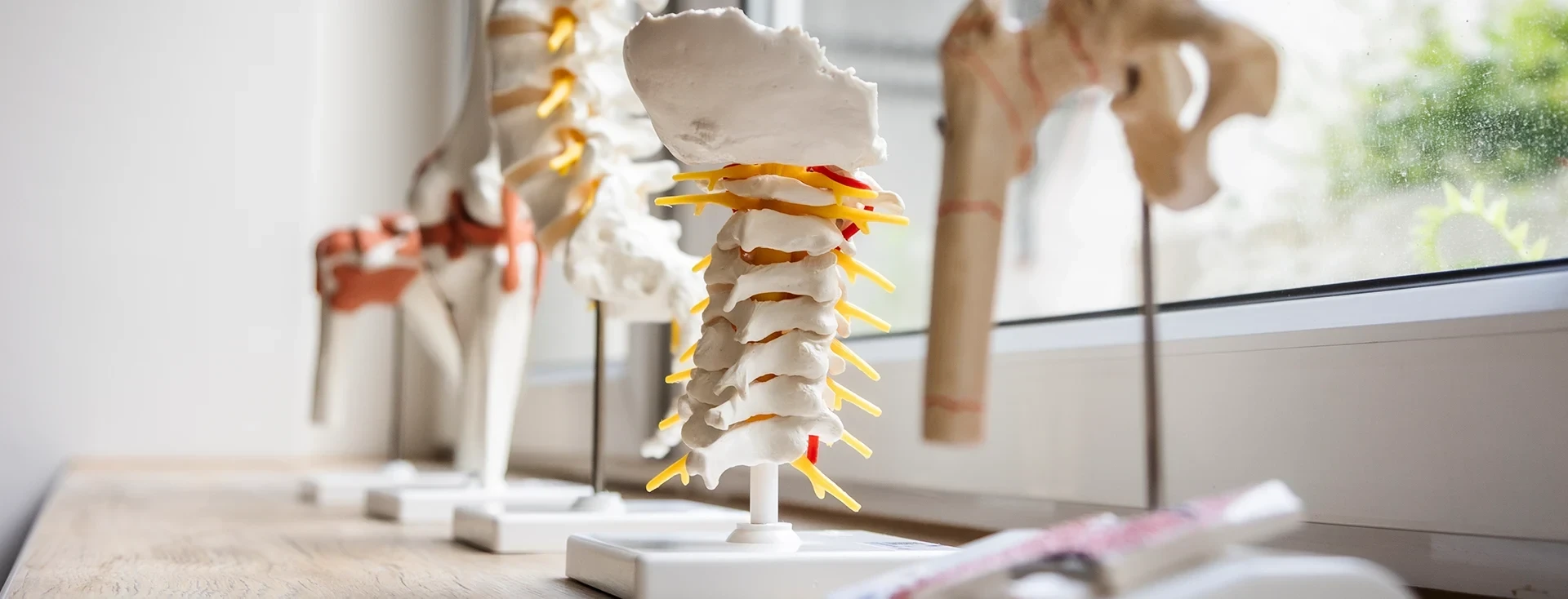
Image credit: diagnostikzentrum-wolfsburg.de
The Wolfsburg Diagnostic Center provides prostate MRI and full-body MRI tests. These programs are based on MRI’s ability of producing detailed images, and without exposing patients ionizing radiation.
CT provides detailed cross-sectional view
The way that computed-tomography uses imaging is different. The CT exam uses X-rays as well as computer processing to create detailed cross-sectional images of the body. CT creates a slice by slice image of the anatomy inside, offering doctors a second method to address certain medical questions.
The center employs the latest low-dose CT technologies designed to minimize radiation exposure and collect the crucial diagnostic data. CT imaging can also help in treatment. Periradicular therapy, also known as PRT utilizes CT guidance to guide injection treatment involving irritated nerves.
The familiy X-Ray Still Has an Important Task
Technology hasn’t rendered traditional radiography obsolete. Digital Xray diagnostics can give images in a short time and are still useful in a wide range of examinations, especially when doctors must evaluate structures such as bones. Modern digital systems also use less radiation than the older methods.
Sometimes, the most difficult examination is not the best one. The best diagnostics is choosing technologies that is based on the clinical questions, not just the latest equipment.
Breast Imaging Has Its Own Particularized Technology
Mammography is a screening tool that has been specifically developed for breast cancer. Wolfsburg Diagnostic Center provides 3D mammography, in addition to the standard mammography. It’s also referred to as tomosynthesis. This technique creates multiple images that can then be transformed into a layer view of breast tissue. It is vital to utilize the right imaging technique because different parts of the body present different issues for diagnostics.
The old image could be changed to make the new image more effective
The current scan can provide an overview of the body’s condition today. Comparisons with previous exams can sometimes be just as useful.
If medical professionals have earlier images and tests and results, they’ll be better able to observe the changes in time rather instead of interpreting the exam in isolation. Patients are encouraged to bring their previous imaging and medical findings to appointments.
It is more beneficial for patients to be able to understand the technology when they can use it.
The Wolfsburg Diagnostic Center incorporates MRIs, CTs, digital ultrasounds, 3D Mammography and image guided treatment with a particular focus on clear communication as well as organized care. For additional information, click here CT Wolfsburg
Patient explanations and videos are available to help patients comprehend medical procedures. Quick waiting times and coordinated scheduling are also part of the center’s strategy. Modern diagnostics rely on modern technology, but scanners shouldn’t be considered an obscure technical process.
Knowing why an exam was chosen and what the procedure will be like can assist patients in becoming better informed and make the latest medical technology feel considerably easier to comprehend.