
Surface finishing is no longer a labor-intensive process and is now a highly precise process. The quality of the coating has a direct influence on durability, corrosion resistance and perception of the product in the present manufacturing environment. Many facilities use paint robots for better control and consistency as standards worldwide tighten and customers expect flawless quality finishes.
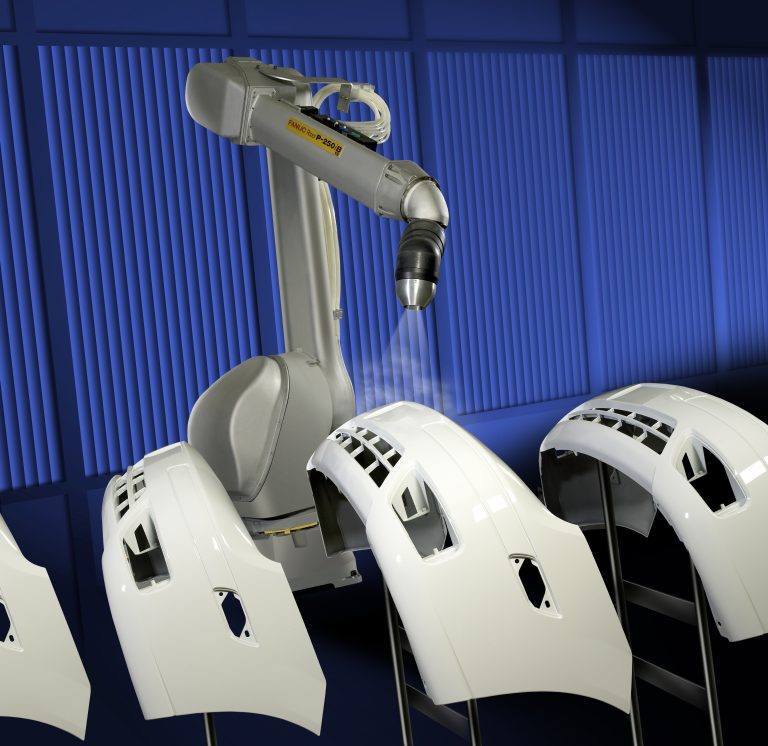
Image credit: automatedsolutions.com.au
A modern paint robot brings structured motion and programmable accuracy to applications that once depended on operator technique. Manufacturers reduce inconsistencies such uneven film building or excessive use of materials by automating the spray path, speed, and the angles of application. The result is a predictable coating process that can provide better First Time Quality and reduced rework.
Consistency as well as Efficiency and Measurable Gains
Manual painting usually introduces variations in coverage and thickness due to human fatigue or minor differences in the technique. Paint robots can eliminate this issue by using the exact motion patterns throughout every production cycle. This repetition level ensures a uniform surface finish, and optimal material distribution throughout the entire part.
A robotic paint system can enhance the efficiency of transfer. By ensuring a precise distance and orientation between applicator and component, the amount of overspray is decreased and more coating material is able to reach the surface of the object. The reduction of material waste will result in savings. A decrease in emission of volatile organic compounds also support environmental compliance.
The integration of fluid handling into paint robotics assures consistency in mixing ratios of multi-component coatings. It eliminates any inconsistencies which could affect the quality of the finish. Stable flow control combined with adjustable parameter settings allow manufacturers to alter atomisation and spray patterns without affecting production.
Safety and productivity
The improved uptime is a important benefit of a paint robot system. Paint cells that are robotic work constantly and without interruption as opposed to manual processes. Once they are programmed the paint cells produce the same output without breaks or constant supervision.
In any facility that handles solvent-based or two-component coatings safety considerations are vital. Paint atomized can create hazardous conditions, particularly when working with materials which are explosive or reactant. Modern paint robots are designed for safe operation even in the most hazardous environments. They can reduce the exposure of personnel to hazardous substances and increase safety in the workplace.
Conveyor track technology increases productivity even more by allowing paint applications by robots as the parts continue to move. This increases the work space, and also ensures that production lines run efficiently.
Australian Automation Expertise Supporting Industry
It is essential that producers have access to automation partners that are skilled. Automated Solutions, a leading robotic integration provider in Australia is gaining the reputation of providing advanced robotic services. As certified FANUC robotic integrators, with deep expertise in automation engineering the team helps businesses implement customized robotic paint solutions that meet their operational goals.
Automated Solutions combines technical expertise and practical industry experience to aid manufacturers in evaluating existing processes and developing robots that can paint cells that are optimised. Through collaboration in planning, simulation, and system integration, factories gain an understanding of the expected performance improvements before installation begins.
Paint robots aren’t just an issue of automatization. It’s about measurable improvements to quality, efficiency and safety. A well-designed paint robot system transforms the process of finishing surfaces into a precise reliable, repeatable and cost-effective operation. Automation experts will assist manufacturers in improving their efficiency and competitiveness, as well as ensure longevity in a highly competitive market.